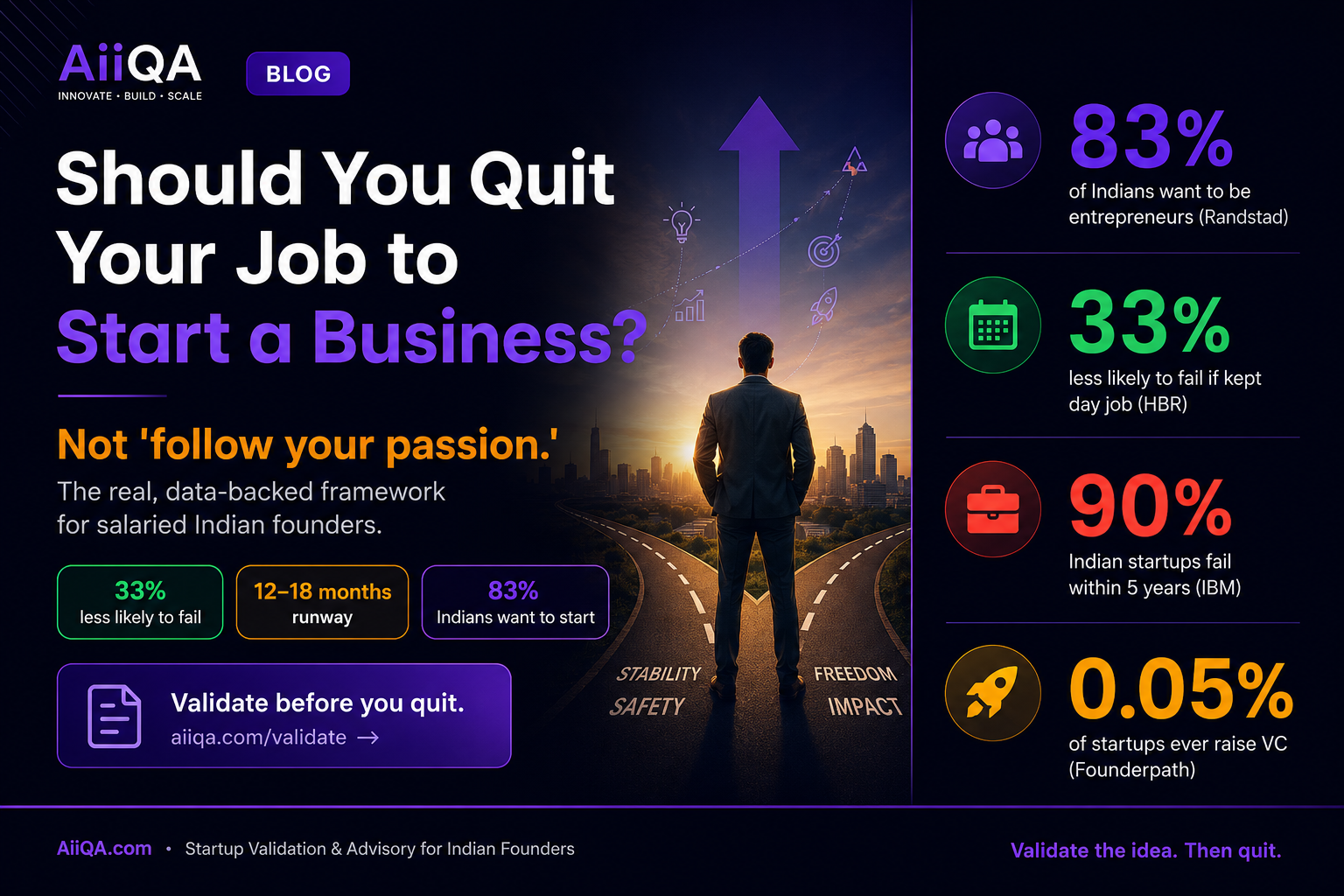
A detailed post-mortem analyzing the real drivers behind the Indian startup failure rate. Includes live 2024–2025 case studies (Bluelearn, Dunzo, BluSmart) and outlines an actionable framework to validate demand before wasting capital.
If you’ve spent any time in the Indian startup ecosystem lately—whether browsing LinkedIn from a cafe in Gurugram or trailing founder threads in Bengaluru—you’ve likely run into the terrifying warning: “90% of Indian startups fail before Year 1.”
But let’s look at what the actual ecosystem data reveals.
While the "90% failure rate before day 365" is frequently used as a rhetorical warning rather than a verified official Indian benchmark, the early-stage survival landscape is undeniably brutal. India’s recognised startup pool has scaled past 2.06 lakh companies. Yet, tracked numbers show approximately 3,903 shutdowns in 2024 and a stark line of closures continuing through 2025. Wider industry trackers even point to over 11,000 early-stage registrations folding over the last 24 months as the era of "cheap foreign VC cash" completely vanished.
The real story here isn’t that "everyone fails." It's that early-stage failure is incredibly common because founders repeat the same structural execution mistakes.
If you want to ensure your business doesn't become another footnote in this market correction, you have to dissect the real forces killing companies on the ground. Here is the post-mortem analysis of the modern Indian startup failure rate—backed by real-world case studies—and the exact blueprint to protect yours.
The Four Core Killers of Indian Startups (With Live Examples)
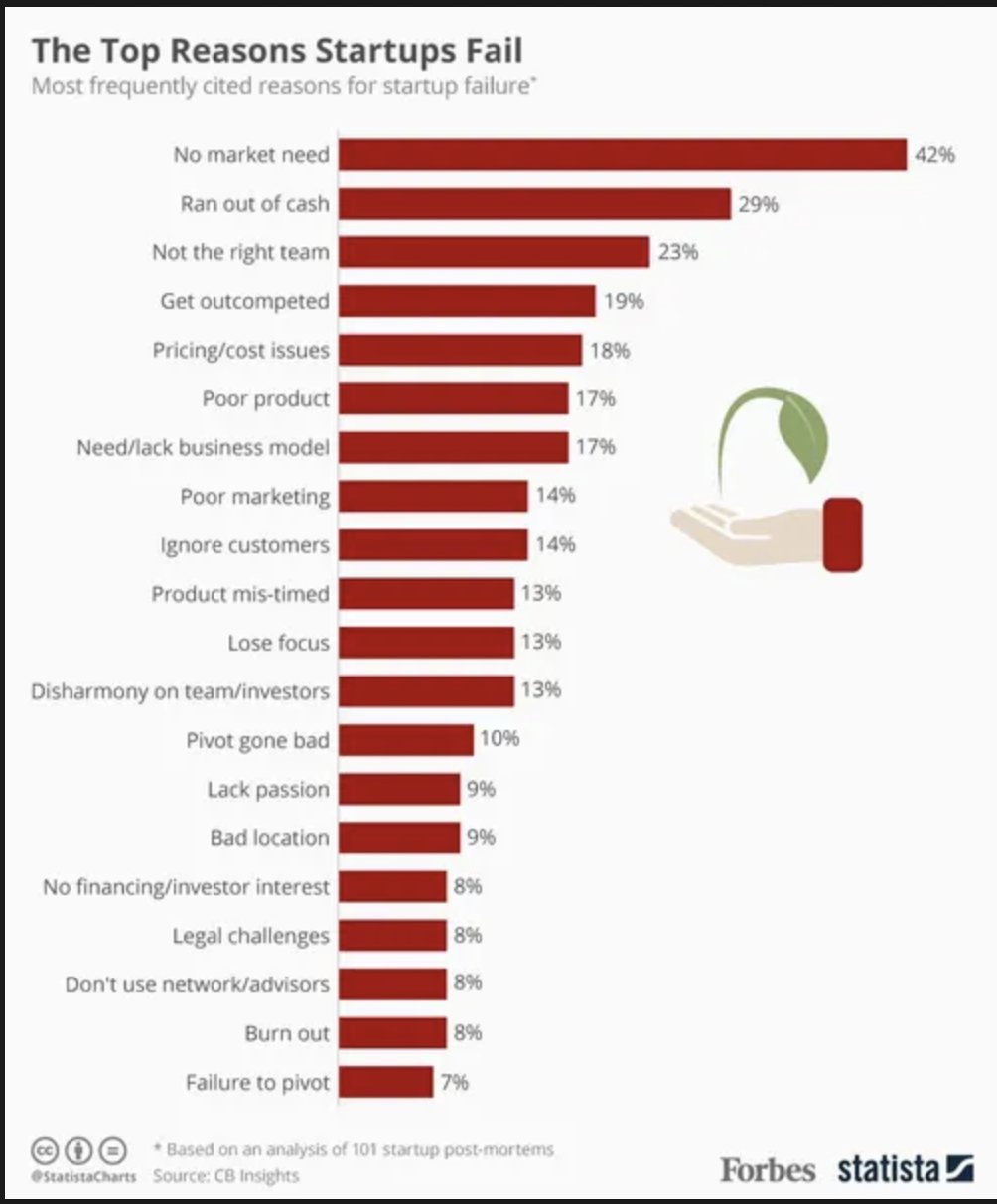
1. Unproven Market Demand: The "Community Engagement" Trap
The leading cause of startup mortality is building an elegant solution for a problem that nobody is willing to pay to solve. Founders frequently mistake enthusiastic free feedback, organic social media likes, or high traffic for a sustainable, monetizable business model. They rush to build and launch before establishing a clear problem-solution fit.
-
The Live Case Study — Bluelearn (Wound down in 2024):
Bluelearn started as a wildly popular community platform for Indian students to learn, network, and find freelance gigs. They successfully raised millions in venture capital and scaled their user base to hundreds of thousands of active members. Yet, they made the painful decision to wind down operations and return remaining capital to investors. Why? Because high casual community engagement did not translate into a high-margin, scalable enterprise revenue model that could withstand a tighter funding environment.
-
The Lesson: If you don’t validate whether users will pull out their UPI apps and actually pay for your solution, you are building a hobby, not a business.
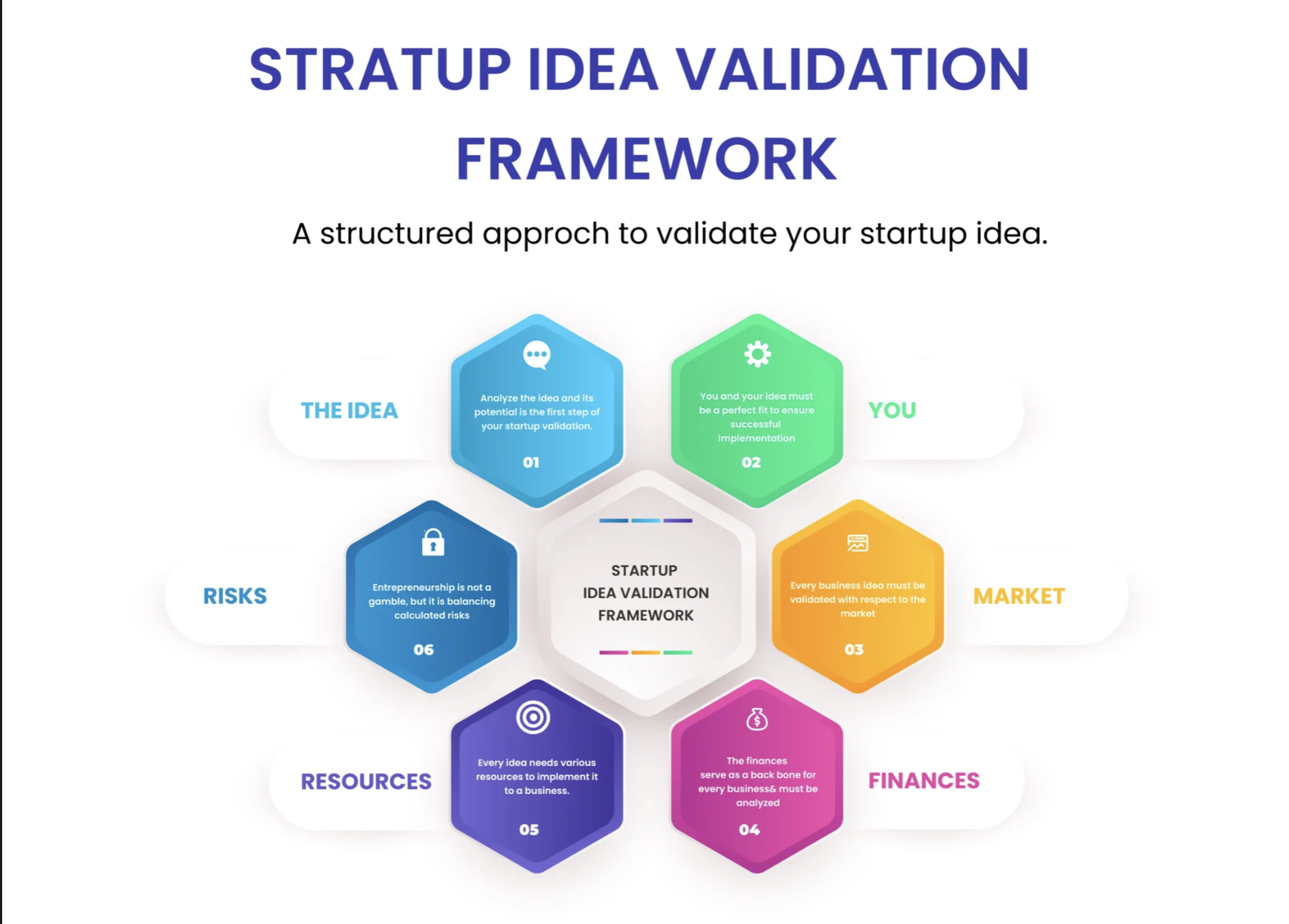
Before writing a single line of code, you need a bulletproof validation plan. Check out our step-by-step guide on How to Validate Your Startup Idea in India Before Spending Money to keep your capital safe.
2. Capital Exhaustion: Convenience Subsidised by VCs
Cash is the oxygen of a startup. Reuters reported that Indian startup funding dropped to a multi-year low recently. While policy moves like the complete abolition of the angel tax removed severe regulatory friction for early-stage funding, investors remain hyper-selective. Startups that burn cash on aggressive customer acquisition without fixing their baseline unit economics are finding out that when the funding dries up, the business evaporates.
-
The Live Case Study — Dunzo (2024–2025 Liquidity Crisis):
Once the undisputed pioneer of India's hyper-local delivery space, Dunzo faced a crushing cash-flow crisis that forced massive operational scale-backs, deferred salaries, and dark store closures. Dunzo did not fail because urban consumers didn't want the convenience; it failed because the cost of delivery, logistics, and fulfilment consistently outpaced what the average user was willing to pay. The business relied entirely on continuous venture injections to survive, which became fatal when global capital markets tightened.
-
The Lesson: Growth is a vanity metric if your unit economics don't make sense outside of a few hyper-dense metro neighbourhoods.
3. Governance Failures & Premature Scaling
Premature scaling occurs when a company behaves like a massive, mature enterprise before stabilising its core product, revenue, and compliance structures. When a company tries to mask operational inefficiencies with aggressive debt or complex accounting, it creates a house of cards.
-
The Live Case Study — The BluSmart & Gensol Crisis (2025):
Electric ride-hailing challenger BluSmart faced severe headwinds when a major corporate governance scandal shook its closely tied affiliate company, Gensol Engineering. SEBI issued interim orders highlighting extensive related-party transactions, fund diversions, and misleading disclosures regarding EV pre-orders. National Company Law Tribunal (NCLT) insolvency proceedings quickly followed, turning a high-growth EV darling into a stark cautionary tale of what happens when financial controls are treated as an afterthought.
-
The Lesson: Transparent compliance, independent board oversight, and solid financial controls aren't milestones you delay until Series B—they are non-negotiable foundations from Day 1.
4. Technical and Execution Breakdowns
A brilliant concept means nothing without a clean, functional delivery mechanism. Internal co-founder friction, product uncertainty, and poor technical quality systematically destroy young operations. Non-technical founders frequently struggle with hiring massive, bloated engineering teams too early or letting critical software bugs ruin the first impression for early adopters.
The Anti-Failure Blueprint: How to Secure Your Venture
To beat the statistical trend, you must pivot away from rapid vanity growth and embrace a culture of deliberate, fast learning.
-
Validate One Core Problem: Do not build a massive, multi-featured ecosystem on day one. Find one painful, specific problem for a clearly defined audience.
-
Track Unit Economics From Day One: Know your exact numbers. What does it cost to acquire a single user (CAC)? What is their projected lifetime value (LTV)? If your model requires millions of users just to break even, re-evaluate your pricing immediately.
-
Keep Your Runway Conservative: Minimise structural overhead and preserve cash so you have at least 12 to 18 months of operational breathing room to test, pivot, and improve.
-
Hire Slowly and Flexibly: Do not bloat your permanent payroll during the exploratory phase.
This execution gap is exactly why the AiiQA Venture Launchpad was built. As an early-stage founder, you shouldn't be managing full-time QA leads, web developers, and performance marketers while trying to find your product-market fit. AiiQA acts as your on-demand digital growth team—handling automated testing, responsive UI development, and technical infrastructure so you can focus entirely on customer validation and revenue strategy.
Stop Guessing. Start Validating.
If you are ready to move past assumptions and see exactly where your startup concept stands, you don't have to navigate it blindly.
Use the data-driven AiiQA Startup Viability Calculator to calculate your feasibility metrics, assess hidden operational risks, and outline your true setup costs within 3 minutes. Protect your capital, refine your framework, and build a venture that lasts.
Validate what you're building.
Get your free viability score, top risks, and honest verdict — in 3 minutes.
Get my free verdict
AiiQA